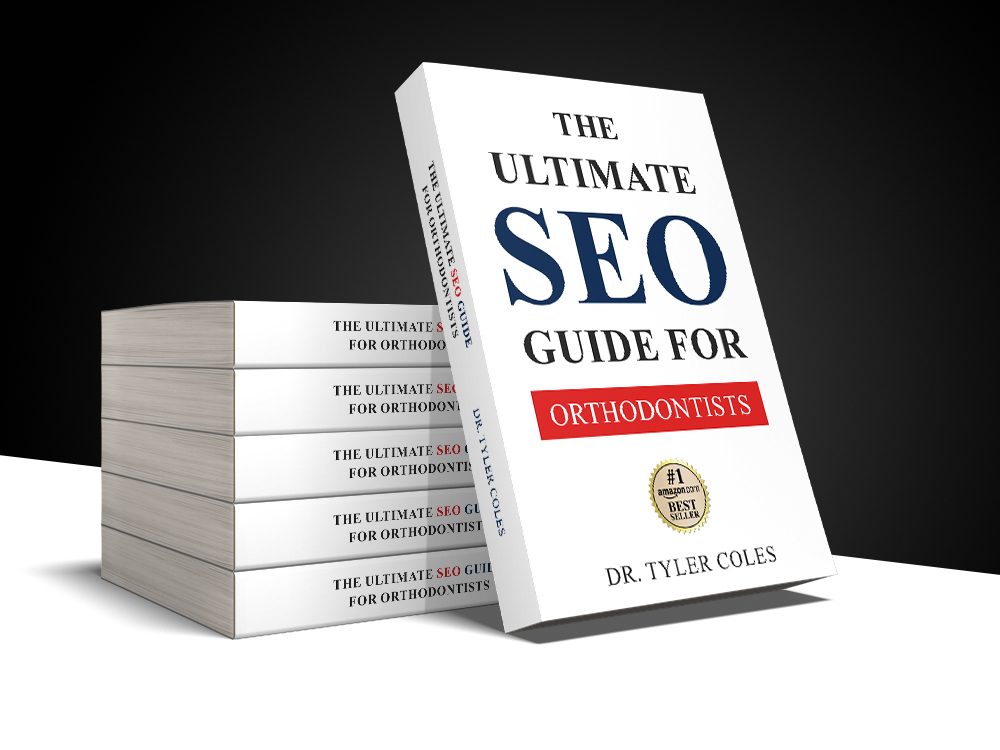
The Ultimate SEO Guide For Orthodontists

The Ultimate SEO Guide For Orthodontists

Table of Contents

The Ultimate SEO Guide For Orthodontists

Master search engine optimization for your orthodontic practice with our comprehensive guide covering everything from local SEO to technical optimization.
Start Reading Now

The Ultimate SEO Guide For Orthodontists

Getting Started

Welcome to the Ultimate SEO Guide For Orthodontists! This comprehensive guide will walk you through everything you need to know about implementing effective SEO strategies for your orthodontic practice. Use the table of contents on the left to navigate through different chapters and sections.

How to Use This Guide

  • Start with the introduction to build a solid foundation

  • Progress through each chapter sequentially

  • Take action on the strategies as you learn them

  • Use the navigation menu to jump to specific topics

What is Search Engine Optimization (SEO)?

Search Engine Optimization (SEO) is the practice of optimizing a website to improve its visibility and ranking on search engine results pages (SERPs) like Google, Bing, or Yahoo. The goal of SEO is to increase organic (non-paid) traffic by ensuring that a website appears at the top of search results when users search for relevant queries. SEO involves various strategies, such as keyword research, on-page optimization (like optimizing content and meta tags), off-page tactics (like acquiring backlinks), and improving the website’s technical performance to meet the search engine’s algorithms.

For orthodontists, SEO is about aligning a practice’s website with the search intent of potential patients, ensuring that the website ranks for the right terms that prospective patients are actively searching for.

Why SEO is Important for Orthodontists

In today’s digital age, when people are looking for orthodontic care, their first stop is typically a search engine. Whether it’s finding information on braces, Invisalign, or other dental treatments, prospective patients rely on search engines to discover orthodontists near them. With the growing reliance on online searches, having a strong SEO strategy is crucial for orthodontists to stay competitive.

Orthodontic practices face fierce competition in local markets, with many other professionals offering similar services. SEO allows orthodontists to differentiate themselves by ensuring their website ranks higher in search results, making it easier for potential patients to find them. Without effective SEO, an orthodontic practice risks being overlooked in favor of other, more visible competitors.

How SEO Helps Attract New Patients and Grow the Practice

SEO helps orthodontists in several ways to attract new patients and grow their practices

1

Increased Online Visibility: When an orthodontist’s website ranks higher on search engine results, it becomes more visible to prospective patients. By targeting local keywords like “orthodontist near me” or “best orthodontist in [city],” SEO helps practices appear in relevant search results, increasing the likelihood that new patients will find and contact the practice.

2

Targeted Traffic: SEO attracts highly relevant, targeted traffic. By optimizing for specific keywords related to orthodontic services (such as “Invisalign for adults” or “braces for kids”), SEO ensures that the practice’s website is found by people actively looking for orthodontic care, which increases the chances of converting website visitors into patients.

3

Credibility and Trust: Higher search rankings are often associated with credibility. A well-optimized website signals to both search engines and users that the orthodontist is an authoritative and trustworthy provider. Additionally, SEO strategies like collecting positive online reviews and optimizing for local search help establish trust and boost the practice’s reputation.

4

Local Patient Acquisition: Local SEO strategies, like optimizing Google Business Profile (GBP) and acquiring local backlinks, ensure that the orthodontist’s practice appears in local search results. This is critical since many patients look for orthodontists in their immediate area. Being present in the local search ecosystem increases the likelihood of attracting patients from nearby neighborhoods.

5

Long-Term Growth: SEO is a long-term investment that continues to generate results over time. Unlike paid advertising, which stops once the budget is depleted, SEO efforts build upon themselves, helping the practice maintain consistent online visibility, attract new patients, and grow its patient base year after year.

SEO optimization is an essential tool for orthodontists to boost their online visibility, attract targeted local traffic, build trust with potential patients, and ultimately grow their practice. A well-executed SEO strategy allows an orthodontic practice to stand out in a competitive market and achieve sustainable, long-term success.

Who is This Guide For?

Who is This Guide For?

This guide is designed for orthodontists and orthodontic practice managers who want to increase their online visibility and attract more patients through search engines. Whether you’re new to SEO or looking to refine your existing strategies, this guide will help you achieve your goals.

About Dr. Tyler Coles

About Dr. Tyler Coles

Dr. Tyler Coles

Dr. Tyler Coles is a distinguished figure in the field of orthodontics, whose expertise in marketing has significantly shaped his professional journey. Graduating with distinction from Creighton University School of Dentistry, where he was at the top of his class, Dr. Coles has combined his dental education with a strong foundation in marketing. At the beginning of his Orthodontic career he collaborated and worked with renowned marketing teams such as Nike, Adidas, Heineken, and the Golden State Warriors. Spending hundreds of thousands of dollars on marketing courses and mentorships he has been able to successfully transform Premier Orthodontics into one of the largest private practices in the country.

Under the mentorship of Dr. Dustin Burleson, Dr. Coles honed his marketing skills and subsequently earned certification from Infusionsoft. With these tools and strategies he was able to boost the growth of his practice from 2 to 7 locations in just five years. This impressive expansion is largely attributed to Dr. Coles’s innovative marketing strategies, with approximately 90% of new patients being acquired through digital channels. His approach emphasizes the importance of an effective online presence and targeted marketing campaigns in attracting and retaining patients.

Since joining his brother’s practice in 2012, Dr. Coles has played a pivotal role in growing the business to seven locations, positively impacting over 20,000 patients across Arizona. His vision for Premier Orthodontics extends beyond mere numbers; it reflects his commitment to transforming lives through exceptional dental care coupled with strategic marketing. With a clear understanding of market dynamics and patient needs, Dr. Tyler Coles continues to set a benchmark in the orthodontic field, demonstrating how effective marketing can drive practice growth and enhance patient experiences. One of his greatest achievements has been the ability to help over 250 other orthodontists expand their practice by using digital marketing.

Chapter 1: Understanding Local SEO for Orthodontists

What is Local SEO?

Local Search Engine Optimization (Local SEO) is the process of optimizing your online presence to rank higher in local search results. Local SEO is crucial for businesses like orthodontic practices, which rely on attracting patients from specific geographic areas. The primary goal of Local SEO is to ensure that when potential patients search for orthodontic services near them, your practice shows up at the top of search engine results, especially on Google.

Local SEO is fundamentally different from general SEO because it focuses specifically on improving visibility for location-based searches. These searches are typically more transactional in nature, as they involve users looking for nearby providers or services. For orthodontists, Local SEO helps ensure that patients in your city, town, or region can easily find and contact your practice.

Importance of Local SEO for Orthodontic Practices

Orthodontists often work within a specific geographic area, and most patients are looking for services in their vicinity. With a large number of people using mobile devices and location-based searches, having a robust Local SEO strategy is key to standing out from local competitors. Here are some reasons why Local SEO is important for orthodontic practices

1

Local Search Behavior: According to studies, 46% of all Google searches are looking for local information, with 76% of people who search for something “near me” visiting a business within a day. For orthodontists, this means that if your practice doesn’t show up in local search results, you are missing out on a significant amount of potential patients.

2

Increased Visibility in Local Search: Local SEO increases the chances that your orthodontic practice appears in local search results when someone types queries like “braces near me,” “orthodontist in [city],” or “best orthodontist [city].” The higher you rank in these local searches, the more likely patients are to find and choose your practice.

3

Competing with Local Rivals: Many orthodontic practices in a specific area will be competing for the same patients. Optimizing for Local SEO helps your practice stand out from the competition and ensures that you capture the attention of patients actively searching for services in your area.

Chapter 1: Understanding Local SEO for Orthodontists

How Local SEO Works for Orthodontists

Search engines like Google have specific algorithms that display local search results based on several factors. Google’s goal is to provide users with the most relevant and accurate results based on their location. For orthodontists, understanding how Local SEO works is crucial in optimizing for these algorithms.

Search Engines and Their Role in Displaying Local Results

When a user types a location-based search query (e.g., “orthodontist near me” or “Invisalign [city name]”), Google looks at multiple signals to determine which businesses should appear in the local search results. These signals include

  • User Location: Google uses the physical location of the user (whether they’re on a mobile device or have location services enabled) to show results that are geographically relevant.

  • Google Business Profile (GBP): Google pulls data from your GBP listing to display information like your address, hours of operation, phone number, and website link. Having an optimized GBP profile is essential for Local SEO.

  • Local Relevance: Google wants to show the most relevant local businesses for a user’s query. This includes businesses that are geographically close to the searcher and have relevant keywords and content on their website.

  • Review Signals: Google uses customer reviews and ratings as an indicator of the quality of a business. Positive reviews and high ratings can improve your ranking in local search results.

Google Business Profile (GBP) Optimization

Google Business Profile (GBP) is a free tool that allows businesses to manage how they appear on Google Search and Google Maps. For orthodontists, having an optimized GBP listing is one of the most important components of Local SEO. When properly set up, your GBP listing can help your practice appear in the local “Map Pack” (the three businesses listed at the top of local search results).

Optimizing your GBP involves

  • Claiming Your Listing: If you haven’t already, claim your GBP listing. This will give you control over the information shown to potential patients.

  • Completing Your Profile: Fill out all the fields in your GBP profile, including your practice’s name, address, phone number (NAP), website, hours, and categories (e.g., “Orthodontist” or “Invisalign provider”).

  • Add Photos and Videos: High-quality photos of your office, staff, and patient experiences can attract potential patients and boost engagement with your listing.

  • Post Updates and Offers: GBP allows you to post updates, promotions, and events directly to your profile. This can help you engage with current and potential patients while improving your visibility.

Localized Keyword Research

Local SEO for orthodontists requires targeting localized keywords that your potential patients are searching for. Keyword research is crucial to determine the exact terms people are using when looking for orthodontic services in your area. Some common local search queries include

  • “Orthodontist near me”

  • “Best orthodontist in [city name]”

  • “Braces for kids [city name]”

  • “Invisalign [city name]”

To perform localized keyword research, consider

  • Google Keyword Planner: Use this free tool to search for keywords relevant to orthodontic services and see their search volume in your area.

  • Google Trends: Check out regional search trends to understand what people in your location are searching for.

  • Competitor Analysis: Analyze what keywords your competitors are ranking for and look for keyword gaps you can target.

Once you’ve identified relevant keywords, incorporate them naturally into your website’s content, meta descriptions, title tags, and blog posts.

Chapter 2: Keyword Research for Orthodontic Practices

The Role of Keyword Research in SEO

Keyword research is one of the foundational elements of Search Engine Optimization (SEO). It’s the process of identifying the specific words and phrases that people are typing into search engines when looking for orthodontic services. These keywords represent the intent behind the search, and understanding which keywords potential patients use can help orthodontic practices optimize their websites and content to appear in relevant search results.

At its core, keyword research helps orthodontists identify which topics, services, and search terms they should target in their SEO strategy. For instance, if an orthodontist specializes in Invisalign treatments, they would want to target keywords that people looking for Invisalign-related services would use.

How Keywords Drive Search Traffic

Keywords are the bridge between what users are searching for and the content you provide on your website. When a person types a query into Google, the search engine’s algorithm attempts to match the user’s search intent with the most relevant content. If your orthodontic practice’s website contains the keywords that users are searching for, you’re more likely to rank higher in the search engine results pages (SERPs), driving more organic traffic to your website.

Search Intent and Keywords

When doing keyword research, it’s essential to understand search intent — the reason behind a search query. Search intent can be broken down into four main categories

  • Informational: The user is looking for information. This may be related to understanding orthodontic procedures or treatment options.

  • Navigational: The user wants to find a specific website or location (such as looking for a particular orthodontist).

  • Transactional: The user intends to take action, such as booking an appointment or requesting a consultation.

  • Commercial Investigation: The user is comparing options before making a decision, such as comparing prices for braces or Invisalign.

By focusing on the right keywords that align with these search intents, orthodontists can optimize their websites to attract highly relevant traffic that is more likely to convert into actual patients.

Chapter 2: Keyword Research for Orthodontic Practices

Types of Keywords for Orthodontists

Orthodontic practices should target a variety of keyword types to ensure they attract a wide range of potential patients. The three main types of keywords that orthodontists should focus on are

1. Informational Keywords

Informational keywords are those that people use when they are in the research phase. These are typically high-funnel queries where the searcher is looking to learn more about orthodontic treatments or solutions.

Examples of Informational Keywords

  • “How braces work”

  • “What are the benefits of Invisalign?”

  • “How long do braces take?”

  • “Braces vs. Invisalign: which is better?”

While these keywords may not immediately result in conversions, they are important for building awareness and positioning your practice as an authority on orthodontic care. By creating content around these keywords (e.g., blog posts, FAQs, or educational videos), you can provide valuable information to potential patients and establish your expertise.

2. Transactional Keywords

Transactional keywords indicate that the searcher is ready to take an action, such as scheduling an appointment or making a purchase. These are the types of searches that are more likely to convert to actual patients because they show clear intent to engage with a business.

Examples of Transactional Keywords

  • “Braces cost near me”

  • “Invisalign consultation [city name]”

  • “Orthodontist appointments in [city]”

  • “Affordable orthodontist for kids in [city]”

By targeting transactional keywords, orthodontists can create landing pages, offers, or direct calls to action (CTAs) that encourage website visitors to schedule consultations or request more information. These keywords are crucial for driving actual conversions, especially when people are looking for services in their area.

3. Navigational Keywords

Navigational keywords are used by people who are looking for a specific website or location. These searches often include the name of a business, a service provider, or a specific city.

Examples of Navigational Keywords

  • “Best orthodontist in [city name]”

  • “[Orthodontist name] in [city name]”

  • “Invisalign provider [city name]”

  • “[Practice name] orthodontist”

For orthodontists, ranking well for navigational keywords can help patients find their specific practice when they are searching directly for their services. This is why it’s crucial to ensure that your practice name and location are consistent across all online platforms, including your website, Google Business Profile (GBP), and other local directories.

Chapter 3: On-Page SEO for Orthodontists

What is On-Page SEO?

On-Page SEO refers to the optimization techniques applied directly within the content and structure of a website to improve its visibility in search engine rankings. It encompasses all elements of a web page that are within the control of the website owner, such as content, HTML code, images, and website structure. The goal of On-Page SEO is to make a website more accessible and relevant to both search engines and users.

For orthodontists, effective On-Page SEO ensures that their website ranks higher in search results, attracts relevant traffic, and converts that traffic into appointments. On-Page SEO focuses on improving elements such as page titles, meta descriptions, headings, URLs, and content, which are key signals to search engines that determine the page’s relevance for specific search queries.

Why On-Page SEO is Important for Ranking

Search engines like Google aim to provide users with the best possible answers to their queries. On-Page SEO plays a crucial role in this process because it directly impacts how well search engines understand and index your website’s content. Properly optimized web pages are more likely to rank higher in search results, increasing visibility and driving more qualified traffic to your orthodontic practice’s website.

Moreover, On-Page SEO helps ensure that your website is user-friendly, making it easier for visitors to find what they’re looking for and engage with your practice, which can result in higher conversion rates. In short, On-Page SEO optimizes both the technical and content aspects of your website to attract traffic and ensure that visitors have a positive user experience.

Chapter 3: On-Page SEO for Orthodontists

Optimizing Title Tags and Meta Descriptions

Title tags and meta descriptions are two critical elements of On-Page SEO. They tell search engines and users what each web page is about, influencing both ranking and click-through rates (CTR). Let’s break down how to optimize these two elements for your orthodontic website.

Title Tags: Writing Compelling Titles for Orthodontic Services

A title tag is the clickable headline that appears in search engine results. It’s typically the first thing users see, and it plays a significant role in whether or not they decide to click through to your page. The ideal title tag should

  • Include your primary keyword: For example, if the page is about orthodontic services in a specific city, make sure the keyword “orthodontist in [city name]” or “braces in [cityname]” appears in the title.

  • Be compelling: While keywords are essential, your title should also be compelling to potential patients. For example, “Top Orthodontist in [City] – Affordable Braces and Invisalign Options” is more likely to grab attention than just “Orthodontist in [City].”

  • Be concise: Keep your title tag under 60 characters to ensure it doesn’t get cut off in search results. This is important for both SEO and readability.

Example Title Tag for Orthodontic Practice:“Best Orthodontist in [City] – Affordable Braces & Invisalign for All Ages”

Meta Descriptions: Writing Effective Descriptions for Increased CTR

The meta description is the short summary of a page’s content that appears beneath the title in search engine results. Although it doesn’t directly impact rankings, an optimized meta description can significantly improve your click-through rate (CTR), which can indirectly help with SEO.

When writing meta descriptions for orthodontic pages

  • Include keywords naturally: The meta description should reflect the page’s main topic, including relevant keywords like “braces,” “Invisalign,” or “orthodontic treatment.”

  • Make it compelling and informative: Use action-oriented language to entice users to click. Mention unique selling points like “affordable,” “free consultation,” or “advanced technology.”

  • Stay within 155-160 characters: This ensures your meta description is fully visible in search results without getting truncated.

Example Meta Description for Orthodontic Practice:“Looking for a trusted orthodontist in [City]? Get affordable braces, Invisalign, and personalized care for children and adults. Book your free consultation today!”

By optimizing your title tags and meta descriptions, you ensure that your web pages are more likely to appear relevant in search results and capture the attention of potential patients.

Chapter 4: Creating High-Quality Content for Orthodontic Websites

The Importance of Content Marketing for SEO

The Importance of Content Marketing for SEO

Content marketing is a critical component of a successful SEO strategy for orthodontic websites. When it comes to ranking higher in search engines, creating high-quality, relevant, and informative content is one of the most effective ways to engage potential patients and improve your website’s search visibility. Content helps search engines understand the purpose of your website and how it relates to search queries from users, which ultimately impacts your rankings.

How Content Attracts and Engages Potential Patients

1

Attracting Organic Traffic: When you create high-quality, informative content that answers the questions and concerns of potential patients, your website is more likely to appear in search engine results pages (SERPs). For example, if someone searches for “how to know if you need braces,” your blog post that provides valuable insights can rank for that search query, leading to more visitors to your site.

2

Building Trust and Authority: Content allows you to showcase your expertise in orthodontics, which builds trust with potential patients. By providing clear, accurate, and helpful information, you position yourself as an authority in your field. Whether you’re answering frequently asked questions (FAQs) or sharing success stories from previous patients, content helps demonstrate that you understand your patients’ needs.

3

Encouraging Patient Engagement: Effective content doesn’t just inform—it engages. By addressing common concerns, offering solutions, and speaking directly to the needs of different patient demographics (e.g., children, teens, adults), you make your website more relatable and user-friendly. Engaged patients are more likely to reach out for consultations, make appointments, or share your content with others.

4

Improving Conversion Rates: When content is well-crafted with clear, actionable calls to action (CTAs), it can turn visitors into patients. For instance, a blog post that explains the benefits of Invisalign with a CTA to schedule a free consultation will naturally encourage conversions. Content that speaks directly to patient pain points and offers a clear next step will improve your practice’s ability to convert visitors into leads.

Chapter 4: Creating High-Quality Content for Orthodontic Websites

Types of Content to Create

Types of Content to Create

Orthodontic practices should create a diverse range of content to address various aspects of patient needs and improve SEO. Different types of content serve different purposes, from educating prospective patients to building authority and trust in your practice.

1. Blog Posts, FAQs, and Articles on Orthodontic Topics

Blog posts are a versatile and highly effective way to provide valuable content to your audience. Orthodontic blog topics can cover a wide range of subjects that address the needs and concerns of potential patients. Blogs also give you the flexibility to target various keywords that can help your website rank for more search queries.

Examples of Blog Topics

  • “What to Expect During Your First Orthodontic Consultation”

  • “How Long Do Braces Take? A Complete Guide”

  • “5 Tips for Caring for Your Braces During Treatment”

By regularly posting on relevant topics, you can increase your website’s chances of appearing in search results, establish authority, and provide new information for returning visitors.

FAQs are a great way to address common concerns and questions in a concise format. These can be added as a dedicated FAQ page or embedded in relevant blog posts or service pages.

Examples of FAQ Topics

  • “How much do braces cost?”

  • “Can adults get braces?”

  • “What is the difference between braces and Invisalign?”

These frequently asked questions should be optimized for relevant keywords and answer common patient concerns directly.

Should I Use AI to Write Blogs?

I get asked all the time “Should I write blogs with AI?” The answer is NO, NEVER, DON’T DO IT!

While AI tools can be helpful for generating ideas and supporting your content creation process, it’s crucial to write your own blog posts instead of relying solely on AI-generated content. Search engines, like Google, prioritize content that is original, authentic, and written for real people. AI-generated content often lacks the nuance, personality, and human insight that search engines increasingly value. Moreover, search engines are becoming more adept at detecting AI-written content, and sites that rely heavily on automated writing may see a drop in visibility or ranking. By writing your own blog, you ensure that your content is unique, engaging, and aligned with your voice as an expert in orthodontics, which can help improve both your SEO and your relationship with potential patients.

2. Educational Content for Different Patient Demographics (e.g., Kids, Adults)

Tailoring your content to specific patient demographics helps address the unique concerns of each group. For example, the needs and questions of parents of young children will differ from those of an adult looking for cosmetic orthodontic treatments. By creating content that caters to each group, you ensure that your practice is seen as approachable and knowledgeable for all patients.

Examples of Demographic-Specific Content

  • For Kids: “Why Early Orthodontic Treatment Matters” or “How to Help Your Child Feel Comfortable With Braces”

  • For Teens: “The Best Options for Teen Orthodontic Treatment” or “How to Care for Braces During High School”

  • For Adults: “Invisalign: The Best Option for Adults” or “Adult Braces: What You Need to Know Before Starting Treatment”

By crafting content that speaks directly to the concerns and priorities of each patient demographic, you increase the chances of these potential patients connecting with your practice.

3. Case Studies and Patient Testimonials

Case studies and testimonials provide social proof that can significantly influence patient decisions. Case studies demonstrate how your treatments have helped others, while patient testimonials humanize your practice and create a sense of trust and credibility. Both are powerful tools for building confidence in your orthodontic services.

Examples of Content Types

  • Case Studies: Showcase detailed examples of successful orthodontic treatments you’ve provided. For example, you could write a blog post about how you helped a teenager with severe misalignment achieve a perfect smile through Invisalign, including before-and-after images.

  • Patient Testimonials: Gather testimonials from patients who have had positive experiences with your practice. These can be incorporated into various areas of your website, such as on service pages or in a dedicated “Patient Stories” section.

Case studies and testimonials not only improve trust but also help with SEO by naturally incorporating keywords (like “braces for teens” or “best orthodontist in [city name]”) and fresh content into your site.

Chapter 4: Creating High-Quality Content for Orthodontic Websites

Content Optimization Best Practices

Content Optimization Best Practices

Creating high-quality content is only part of the equation; you also need to optimize it to ensure that search engines can crawl and rank it effectively, while still providing a great experience for your visitors.

1. Writing for Both People and Search Engines

When creating content, it’s important to write for both your audience and search engines. This means crafting content that is helpful, clear, and engaging for potential patients, while also incorporating the necessary keywords and SEO elements that will help the content rank.

Best Practices

  • Keyword Optimization: Use relevant keywords naturally throughout your content, including in headings, subheadings, and body text.

  • Content Structure: Organize your content with headings (H1, H2, H3) to make it easy to read and navigate, both for users and search engines.

  • Readability: Write content that is clear and easy to understand. Use short paragraphs, bullet points, and concise language to make your content more accessible.

2. Use of Images, Videos, and Multimedia

Incorporating multimedia elements like images, videos, and infographics can enhance the user experience and make your content more engaging. Search engines also use multimedia elements to understand your content better.

Best Practices

  • Alt Text: Always include descriptive alt text for images. This not only helps with SEO but also makes your content more accessible to users with visual impairments.

  • Videos: Adding videos, such as “How Braces Work” or patient testimonials, can improve engagement and increase time spent on your site, which is a positive ranking signal for Google.

  • Infographics: Infographics are great for visually summarizing complex information, such as the differences between braces and Invisalign, and are highly shareable on social media.

3. Writing Clear, Actionable Calls to Action (CTAs)

CTAs guide users toward the next step, whether it’s scheduling a consultation, learning more about a specific treatment, or downloading an informational guide. Every piece of content should include a clear, actionable CTA that encourages patients to engage with your practice.

Examples of CTAs

  • “Schedule your free consultation today!”

  • “Learn more about how Invisalign can transform your smile.”

  • “Contact us for more information about braces for kids.”

A well-placed, compelling CTA can directly influence conversions by urging users to take action after consuming your content.

Chapter 5: Off-Page SEO Strategies for Orthodontists

What is Off-Page SEO?

Off-page SEO refers to optimization efforts made outside of your website to improve its search engine rankings and online visibility. While on-page SEO focuses on optimizing elements within your website—such as keywords, content, and internal links—off-page SEO deals with everything that happens beyond your site, such as building backlinks, acquiring local citations, and leveraging social media. It’s an essential component of SEO because it helps search engines understand the authority and trustworthiness of your website.

Off-page SEO strategies play a significant role in helping your orthodontic practice build a strong online presence. The primary goal is to improve your website’s reputation, authority, and relevance, which are all factors that search engines like Google consider when determining search rankings. For orthodontists, implementing effective off-page SEO tactics can help attract more potential patients, enhance local visibility, and establish your practice as a trusted authority in your community.

Chapter 5: Off-Page SEO Strategies for Orthodontists

Guest Blogging and Outreach Strategies for Orthodontic Websites

Guest Blogging and Outreach Strategies for Orthodontic Websites

Guest blogging and outreach are key strategies to secure quality backlinks. Guest blogging involves writing a well-researched, high-quality blog post for another website in your field, typically in exchange for a backlink to your site. To successfully engage in guest blogging, follow these steps

1

Identify Relevant Websites: Look for reputable health, dental, or local websites with good domain authority. These websites should align with your orthodontic services and audience.

2

Pitch Your Ideas: When approaching websites for guest blogging, tailor your pitch to the site’s audience and content style. Offer a unique angle on a relevant topic, such as “5 Tips for Parents Considering Braces for Their Child.”

3

Provide Value: Ensure that your guest post provides real value. Your goal is not just to get a backlink but to establish yourself as an expert in orthodontics. This will help your reputation while gaining you authoritative links.

4

Follow Up: After publishing a guest post, continue nurturing the relationship with the website’s owner. Offering future guest posts or collaborative opportunities can help maintain a steady flow of backlinks over time.

Chapter 5: Off-Page SEO Strategies for Orthodontists

Local Citations and Directories

Local Citations and Directories

Getting Listed on Top Local Business Directories (Yelp, Healthgrades, etc.)

Local citations are online mentions of your orthodontic practice’s name, address, and phone number (NAP) on other websites, typically in online business directories. Citations play a critical role in local SEO because they help search engines validate the accuracy and consistency of your business information across the web. This, in turn, improves your local search visibility, making it more likely that people in your area will find your practice when searching for orthodontic services.

Top local business directories like Yelp, Healthgrades, Yellow Pages, Angie’s List, and Google Business Profile (GBP) are prime places for getting listed. Being included in these directories is a key factor in improving your local SEO and reputation.

Steps to Get Listed on Directories

1

Claim Your Listing: For sites like Google Business Profile and Yelp, make sure you claim and verify your listing. This ensures you can control the information and make updates as needed.

2

Submit to Additional Directories: In addition to the top directories, submit your practice to local niche directories related to healthcare, dentistry, or orthodontics. These sites often rank highly in local searches and can provide a valuable citation.

3

Fill in All Details: Ensure that your practice’s name, address, and phone number (NAP) are consistent across all listings. This consistency helps search engines trust your information and boosts your local rankings.

Consistency of NAP Data Across Directories

Consistency is crucial when it comes to NAP data (Name, Address, Phone Number). Inconsistent information across online directories can confuse search engines and hurt your SEO rankings. For example, if your practice’s phone number is listed as “(123) 456-7890” on one directory and “123-456-7890” on another, Google might view these as separate entities, which can dilute your local SEO efforts.

To maintain consistency, use tools like Moz Local, Yext, or BrightLocal to monitor your NAP data across multiple directories and ensure that it’s uniform everywhere.