Subscribe: RSS
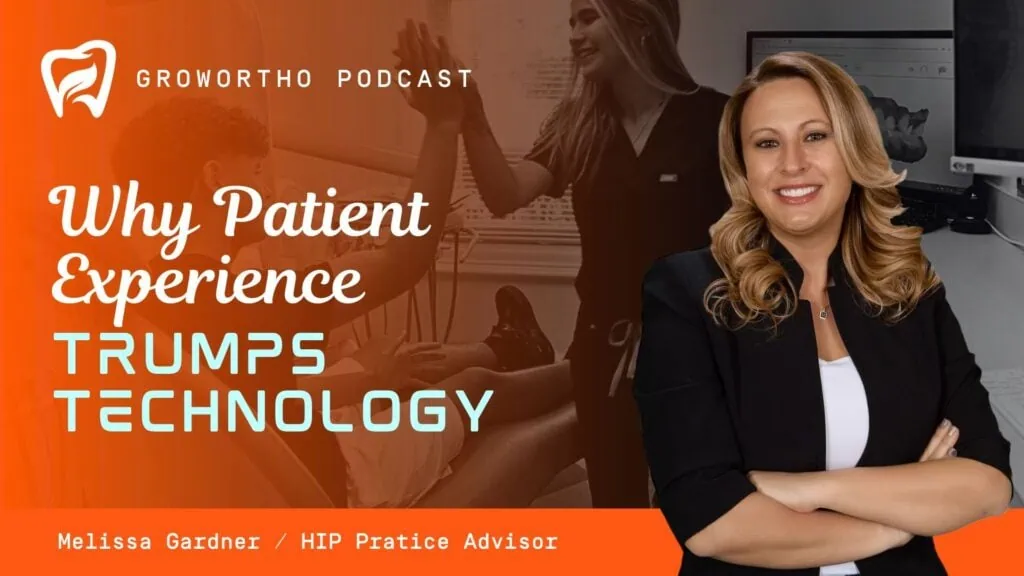
Orthodontists pour millions into technology, systems, and clinical training. Those investments matter. But zoom out and look at which practices actually grow year over year. The differentiator is not the scanner, the wire sequence, or the aligner system.
The practices that grow treat patients like people, not procedures.
In a world full of convenience, automation, and self-checkout everything, genuine human experience has become the rarest competitive advantage in orthodontics. At HIP, we have seen it across hundreds of practices: when your team becomes truly patient centric, your results follow.
This is not a nice-to-have. It is the engine behind case acceptance, referrals, and retention.
Here is what that actually means and how you build it.
The Emotional Side of Orthodontics
Orthodontic treatment is not just a mechanical process. Patients carry their smile into every room they walk into for the rest of their lives. Confidence. Insecurity. Pride. Avoidance. Whether someone feels free or guarded, their orthodontic journey shapes all of that.
Forget the emotional stakes and you lose the patient.
Every interaction with your practice either reinforces their confidence or feeds their fear. In today’s world, where everything is automated and transactional, that emotional experience matters more than ever. Patients expect clinical excellence. They remember how your team made them feel.
That feeling brings them back and keeps them talking about you.
Technology Does Not Differentiate You. Experience Does.
A lot of practices believe their growth will come from their scanner, their bracket system, their aligner protocols, their dashboard, their workflow.
Technology matters. It supports efficiency. It shortens treatment times. It allows for predictable outcomes.
But patients cannot tell you the difference between wire systems. They have no idea what your software does. They can tell you if your front desk greeted them warmly. They can tell you if your space felt clean and inviting. They can tell you if they felt remembered or forgotten.
The truth is simple: technology creates capability, patient experience creates loyalty.
First Impressions — The Moment That Sets the Tone For Everything
Before a patient ever sees a TC, an assistant, or the doctor, they are already forming their opinion. They are evaluating whether they feel safe. They are reading whether your team is present or overwhelmed. They are noticing whether they are interrupting you or welcomed.
A great first impression includes clear signage and easy navigation so patients know where to go, a clean and bright environment that signals professionalism without feeling sterile, a genuine greeting that acknowledges them immediately, and eye contact plus warmth so they feel seen instead of processed.
If this first moment goes sideways, you have already lost ground. If it goes well, everything else becomes easier.
The TC Room — Where Trust Is Formed Or Lost
The treatment coordinator room is the most pivotal space in the practice. It is where excitement becomes commitment or where uncertainty grows into hesitation.
Practices that win in this room keep the handoff tight, smooth, and confident. They remove the left-alone-in-silence moments that create anxiety. They treat the patient as the hero of the story, not the object of a procedure. They engage on a human level before diving into clinical detail.
When patients feel known instead of managed, they say yes more often and they stay excited throughout treatment.
Mid-Treatment Visits — The Overlooked Opportunity
This is where many practices unintentionally lose the patient experience altogether.
Routine appointments easily slide into autopilot. The assistant has done this exact wire change ten times today. The patient knows the drill. Everyone falls into the rhythm. That is the danger.
A patient who feels invisible mid-treatment becomes disengaged. They stop wearing rubber bands. They lose excitement. They feel like a number.
The practices that maintain loyalty during routine visits do one thing consistently: they never stop seeing the patient. That means personalized notes that allow any assistant to pick up the conversation, asking about the football game or the prom or the test or the birthday or the struggle, staying energetic even in routine appointments, and celebrating small steps toward the end result.
Efficiency does not cost empathy. Efficiency creates space for empathy.
Retention — The Most Undervalued Stage Of The Entire Journey
Many offices treat retention like the checkout lane. Here are your retainers, congrats, call us if something breaks.
Retention is where practices lose referrals and where they could be gaining them.
Retention works best when the team celebrates the finish line with real enthusiasm, when debond day is treated like a milestone worth cheering for, when the patient leaves feeling proud of what they accomplished, when the team makes the experience fun and memorable and personal, and when you reinforce why wearing retainers matters without guilt or shame.
When the final memory is a great one, patients become raving fans. And when they inevitably need retreatment years down the road, they come back to the place that made them feel cared for, not the cheapest or closest option.
Why This Matters — The Human Challenge
Your team is human. They get tired. They get overwhelmed. They deal with difficult patients. They have personal stress.
When they are stretched thin, the first thing to disappear is the patient experience. That is why the culture has to carry the weight, not individual moods.
A consistent patient experience comes from clear standards, strong systems, personal accountability, team cohesion, morning huddles that reinforce connection, and leadership that models presence and empathy.
This is not about perfection. It is about direction. A one percent improvement every day builds a culture that becomes unstoppable.
The Practices That Win Care The Most
At HIP, we say it often: you do not build a great practice by focusing on teeth. You build it by focusing on people.
Clinically excellent orthodontists are everywhere. Patient-centric teams are rare.
The practices that become market leaders are not the ones with the newest tech or the flashiest marketing. They are the ones patients talk about long after the appointment is over because the experience made them feel something real.
If you want to grow, improve your systems, and elevate your team, start with the one thing your competitors cannot copy: the way you make people feel when they walk through your door.
Do that consistently and your practice becomes unforgettable.